A room engineered to absorb all reflections of sound, translated into music. 音の反射を一切許さない実験空間。その概念を、音楽そのものへと翻訳する試み。
Anechoic is the international debut release from Tokyo-based composer, producer, and acoustic researcher Bajune Tobeta. Across five tracks, the record explores the space between sound and silence, drawing from contemporary classical composition, lo-fi electronics, and piano to create a work that feels both intimate and vast.
The record takes its title from the concept of the anechoic chamber, a room engineered to absorb all reflections of sound. Tobeta, who studied under Ryuichi Sakamoto and has spent three decades researching the relationship between sound and human consciousness, translated this concept into music: a fusion of orchestral instrumentation and electronics that renders silence itself as a compositional element.
The centerpiece is "After the Silence," a collaboration with Austrian electronic artist Fennesz. Tobeta and Fennesz share a deep connection through their respective work with Sakamoto, and this track marks their first recorded collaboration, bridging Tokyo and Vienna. The closing track, "Gymnopedie (AOKI takamasa Remix)," reworks Tobeta's solo piano performance of Satie's Gymnopedie No. 1 by electronic artist AOKI takamasa.
The album title was inspired by Haruki Murakami's novel Hard-Boiled Wonderland and the End of the World. Anechoic was mastered by Denis Blackham on Fennesz's recommendation.
『Anechoic』は、東京を拠点とする作曲家/プロデューサー/音響研究者トベタ・バジュンによる国際デビュー作。全5曲を通じて、現代音楽、Lo-Fiエレクトロニクス、ピアノを融合させ、音と沈黙の間に広がる空間を探求する。
本作のタイトルは、音の反射を一切許さない実験空間「無響室(Anechoic Chamber)」に由来する。坂本龍一に師事し、30年にわたり音と人間の意識の関係を研究してきたトベタは、この概念を音楽そのものへと翻訳した。オーケストラ楽器とエレクトロニクスを融合させ、沈黙そのものを作曲の構成要素として響かせる試みである。
本作の中核に位置するのが、Fenneszとの初共作「After the Silence」。両者はともに坂本龍一と直接の血脈を持ち、本作はその二人による初の録音上の対話となる。最終曲「Gymnopedie (AOKI takamasa Remix)」は、トベタによるサティ「ジムノペディ第1番」のピアノソロ演奏を、AOKI takamasaがリミックスした作品。
タイトルはまた、村上春樹の小説『世界の終わりとハードボイルド・ワンダーランド』に着想を得ている。マスタリングはFenneszの推薦により、Denis Blackhamが担当した。
The Lineage of Furniture Music 「家具の音楽」の系譜
In 1917, after enduring what he called the vulgar music of a Paris restaurant, Erik Satie imagined a different kind of sound: music that would soften the clatter of knives and forks without dominating the room, present but never demanding to be heard. He named it musique d'ameublement, furniture music. The pieces were designed, deliberately, to be ignored.
The idea failed in his lifetime and lay forgotten for three decades, until John Cage revived it and called Satie indispensable. Scholars now trace a direct line from furniture music to musique concrète, to minimalism, and to ambient music. If Brian Eno is the father of ambient, Satie is its grandfather. The concept of music made to be heard but not listened to, the foundation of every café playlist and lo-fi stream today, was his.
That lineage runs through Japan in particular. From the 1970s onward, Satie's Gymnopédies became central to a Japanese sensibility of environmental listening, shaping the audience for the ambient and healing music that would follow. To reinterpret Satie as a Japanese composer is not to quote the West, but to continue a tradition of one's own.
This is the ground on which Anechoic stands. The lo-fi textures of "Memories," the furniture-music question of "Satie's Dream," and AOKI takamasa's remix of Gymnopédie No. 1 are not background decoration. They are a hundred-year conversation about what it means for sound to occupy a room, and a life.
1917年、パリのレストランで耳にした俗悪な音楽に辟易したエリック・サティは、別の音楽を構想する。ナイフやフォークの音をやわらげながらも、その場を支配せず、確かに存在するのに聴くことを強制しない音楽。彼はそれを「家具の音楽(musique d'ameublement)」と名づけた。あえて無視されることを前提に作られた作品である。
この構想は生前に受け入れられず、約30年間忘れられていた。それを蘇らせたのがジョン・ケージであり、彼はサティを「不可欠な存在」と呼んだ。今日、研究者たちは「家具の音楽」からミュージック・コンクレート、ミニマリズム、そしてアンビエントへと至る系譜を明確に描いている。ブライアン・イーノがアンビエントの父であるなら、サティはその祖父である。聴かれるためではなく、ただ存在するために作られた音楽。現代のあらゆるカフェのプレイリストやLo-Fiストリームの土台となる発想は、彼のものだった。
その系譜は、とりわけ日本を貫いている。1970年代以降、サティの「ジムノペディ」は環境的な聴取という日本独自の感性の中心となり、後に続くアンビエントやヒーリング・ミュージックの聴衆を準備した。日本の作曲家がサティを再解釈することは、西洋の引用ではなく、自らの伝統を継ぐことに他ならない。
『Anechoic』はこの地平の上に立っている。「Memories」のLo-Fiなテクスチャー、「Satie's Dream」が投げかける家具の音楽への問い、そしてAOKI takamasaによる「ジムノペディ第1番」のリミックスは、単なる背景の装飾ではない。それは、音がひとつの部屋を、そしてひとつの人生を満たすとはどういうことかをめぐる、100年にわたる対話なのである。
Memories
After the Silencewith Fennesz
GymnopedieAOKI takamasa Remix
Satie's Dream
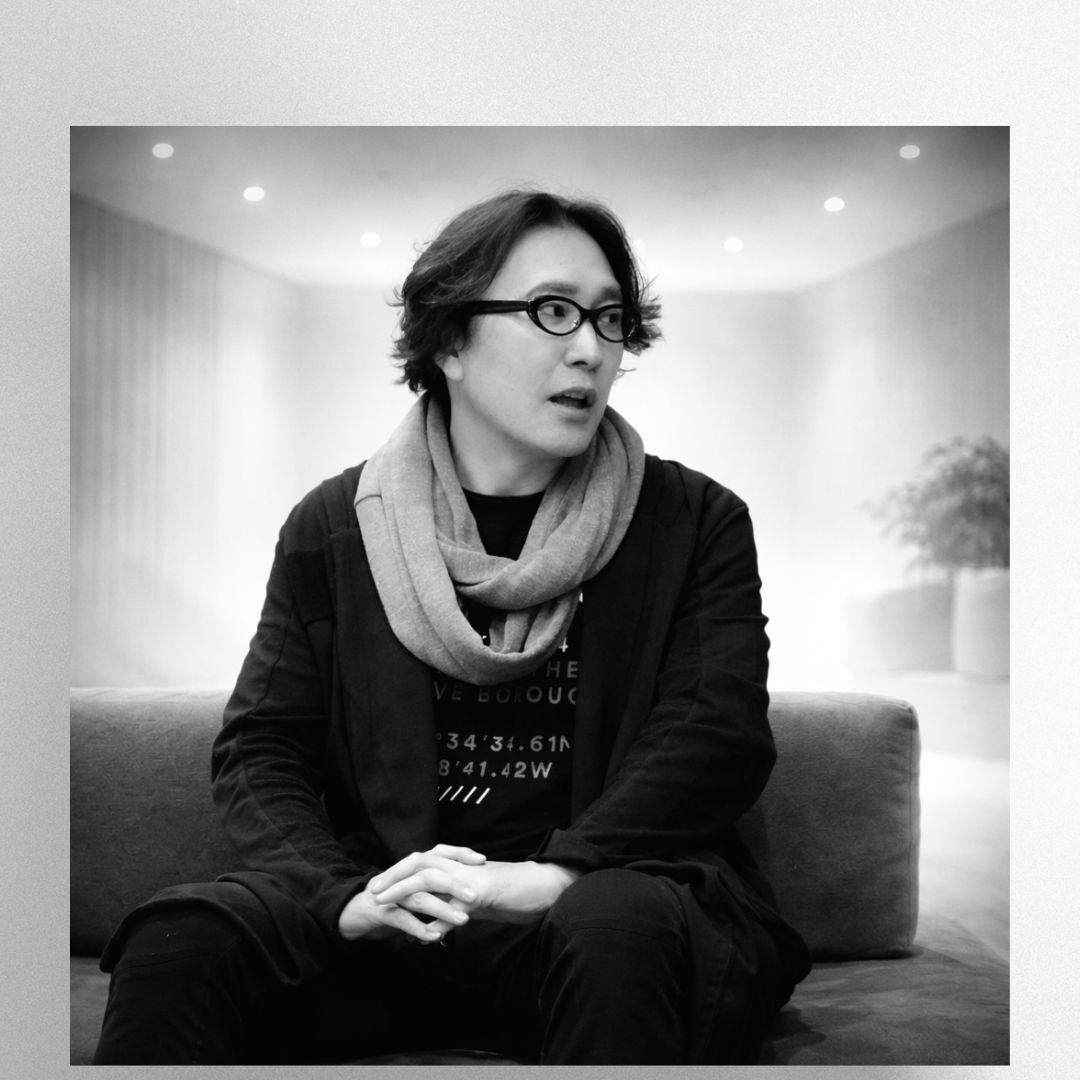
Bajune Tobeta
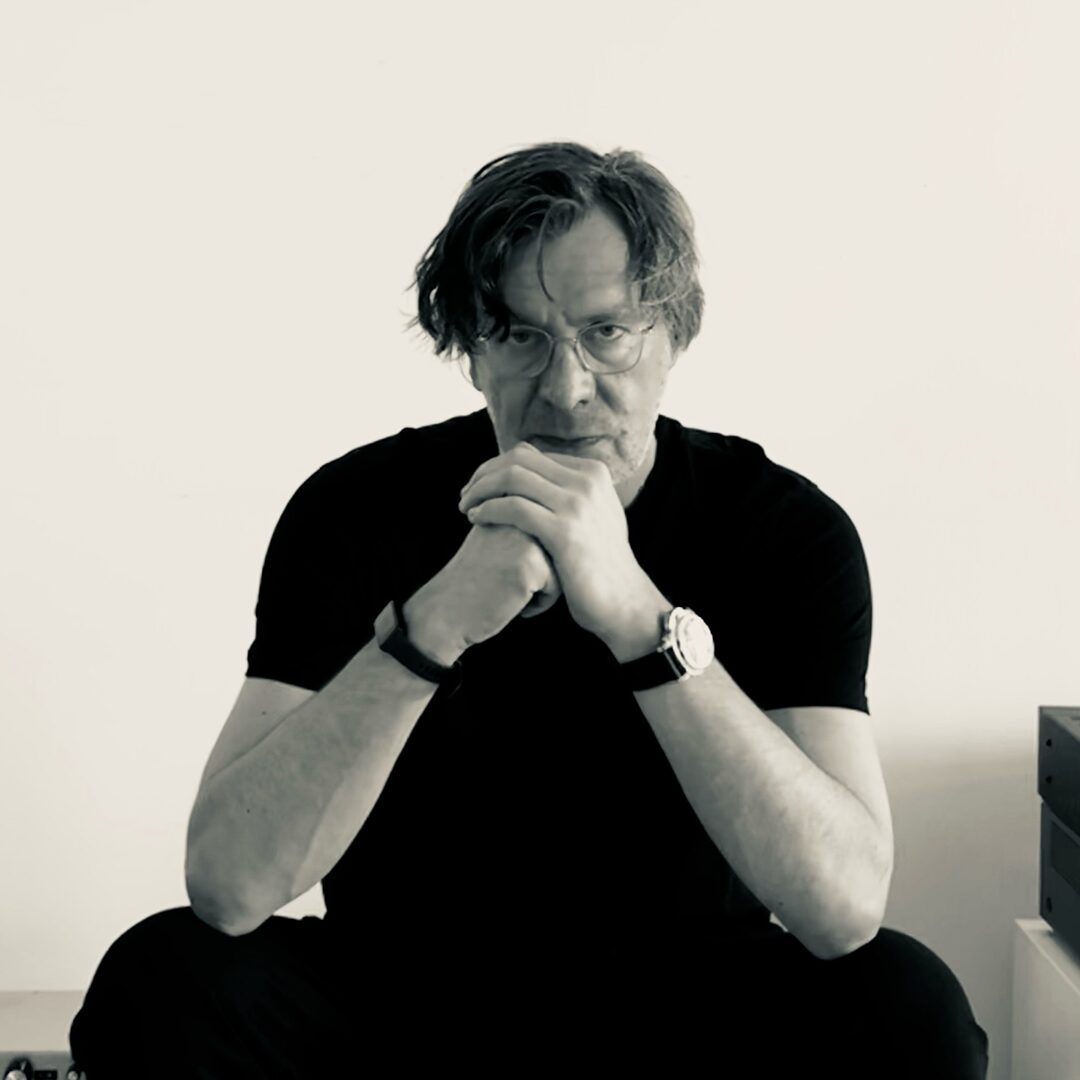
Fennesz
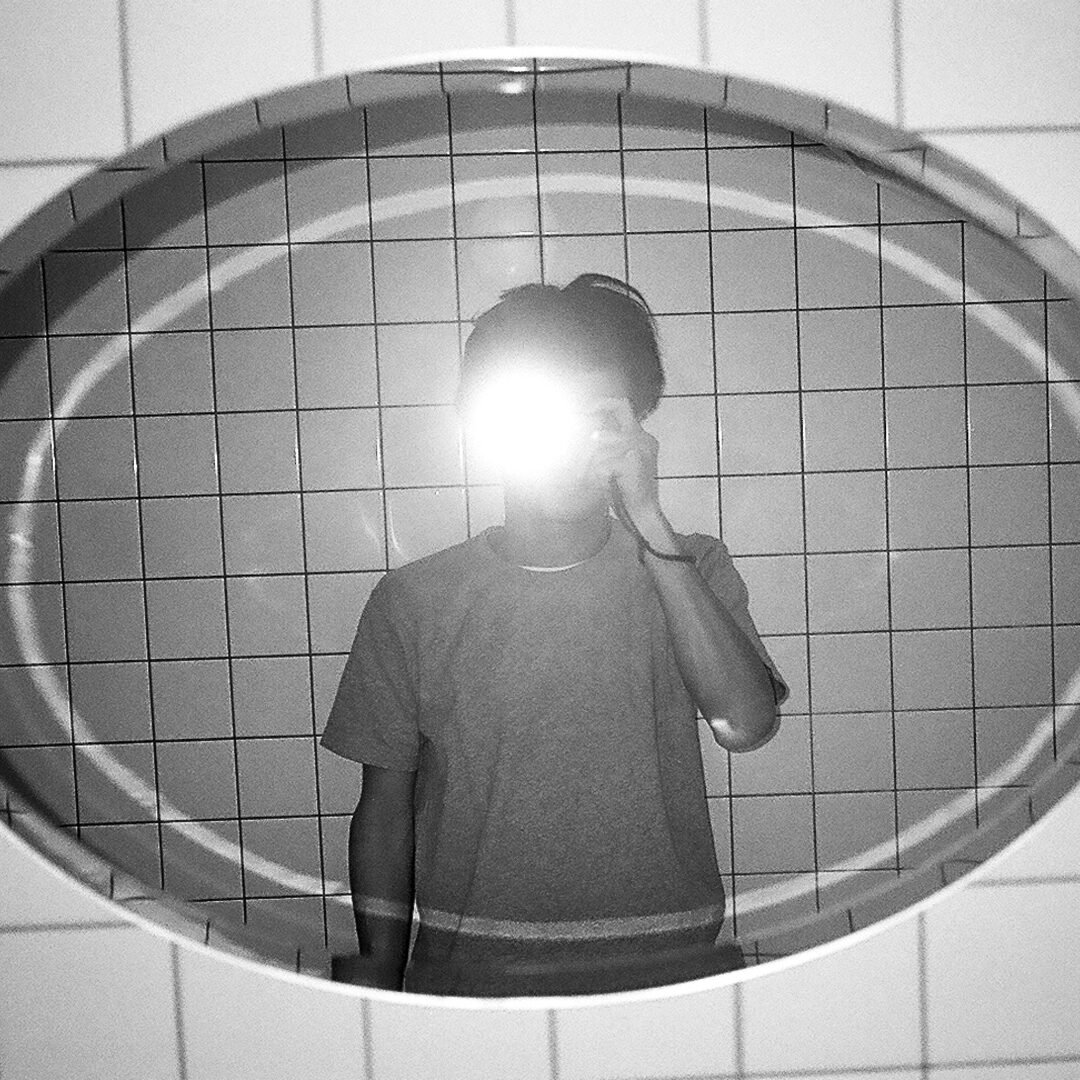
AOKI takamasa
Denis Blackham
Mastering by Denis Blackham at Skye Mastering, on the recommendation of Fennesz. Denis Blackham is one of the UK's most respected mastering engineers, with over four decades of work spanning classical, ambient, electronic, and rock recordings. His credits include releases by Brian Eno, Aphex Twin, Fennesz, and Ryuichi Sakamoto. マスタリングはFenneszの推薦により、Skye MasteringのDenis Blackhamが担当した。Denis Blackhamは英国を代表するマスタリング・エンジニアの一人で、40年以上にわたりクラシック、アンビエント、エレクトロニック、ロックの録音を手がけてきた。Brian Eno、Aphex Twin、Fennesz、坂本龍一らの作品を手がけたことでも知られる。
- Produced by
- Bajune Tobeta
- Track 3 by
- Fennesz & Bajune Tobeta
- Track 4 remix
- AOKI takamasa
- Mastered by
- Denis Blackham (Skye Mastering)
- Artwork
- Masayasu Yanami
- Label
- CROIX Co., Ltd. / electric sheep
- Distribution
- The Orchard
- Released
- 14 August 2026